AI-Assisted Content, Human-Directed Execution

I use AI as a production accelerator, not a creative substitute.

Over several years of daily, high-stakes professional use, I have developed a disciplined system for directing, correcting, and refining AI-generated content until it meets strict editorial, structural, and compliance standards. That process goes far beyond prompting or surface-level editing.

Through sustained, iterative work, I have learned to identify predictable AI failure patterns early, including formulaic phrasing, tonal flattening, repetitive structures, abstraction creep, and artificial padding used to simulate depth. When those issues appear, I do not patch them cosmetically. I intervene at the instruction level, correcting the logic, structure, or framing that caused the problem in the first place.

This approach allows me to reliably produce long-form content that does not read as automated. Each piece reflects deliberate narrative flow, controlled pacing, audience awareness, and stylistic consistency across hundreds or thousands of words. The output is judged by the same standards I apply to human collaborators, not by what is “good for AI.”

My work often operates under non-negotiable constraints. These include industry-specific compliance rules, client-imposed language prohibitions, strict readability thresholds, and detailed editorial checklists. Generic or default AI output fails immediately in these environments. As a result, I have become highly effective at translating nuanced human expectations into precise directives that guide AI systems toward publication-ready material.

The value I bring is not access to AI tools. It is control.

I know when AI output misses the mark, why it missed, and how to correct it efficiently without degrading voice, intent, or substance. That skill set allows me to combine speed with quality while preserving human judgment, originality, and accountability at every stage of the process.

AI is an assistant. I remain the author, editor, and final decision-maker.

Explore a featured selection of my writing work below.

Featured Articles

Explore a featured selection of my writing work below.

Who Should I Choose as My Executor or Trustee?

Choosing an executor or trustee is one of the most important decisions in estate planning.

The person you appoint will be responsible for carrying out your instructions, managing assets according to legal requirements, and ensuring that your plan operates as intended.

Selecting the right fiduciary protects your estate, upholds your wishes, and minimizes administrative complications.

Executors and trustees have distinct functions. Understanding the differences is critical to selecting the right p...

Special Needs Planning Can Preserve Essential Benefits

Families in Bluffton often share the same worry. They want to support a disabled loved one, but they fear doing something that disrupts benefits.

That concern makes sense. SSI and Medicaid rules can feel confusing, and the programs often cover care that families cannot replace on their own.

Daily life becomes easier when you understand how these rules work. A gift or unexpected deposit can cause problems if it pushes the beneficiary over the resource limit.

Special needs planning gives you a way...

What Happens If a Will or Trust Beneficiary Is Deceased?

When an estate is being administered, you expect everything to fall into place. The person has died, the documents are signed, and the executor or trustee starts following the instructions.

Then a problem surfaces that nobody anticipated at this stage: One of the named beneficiaries is deceased.

At that point, there is no way to know about the intent of the decedent unless there is documentation.

New York law applies a strict sequence of rules to determine who inherits instead of a deceased will...

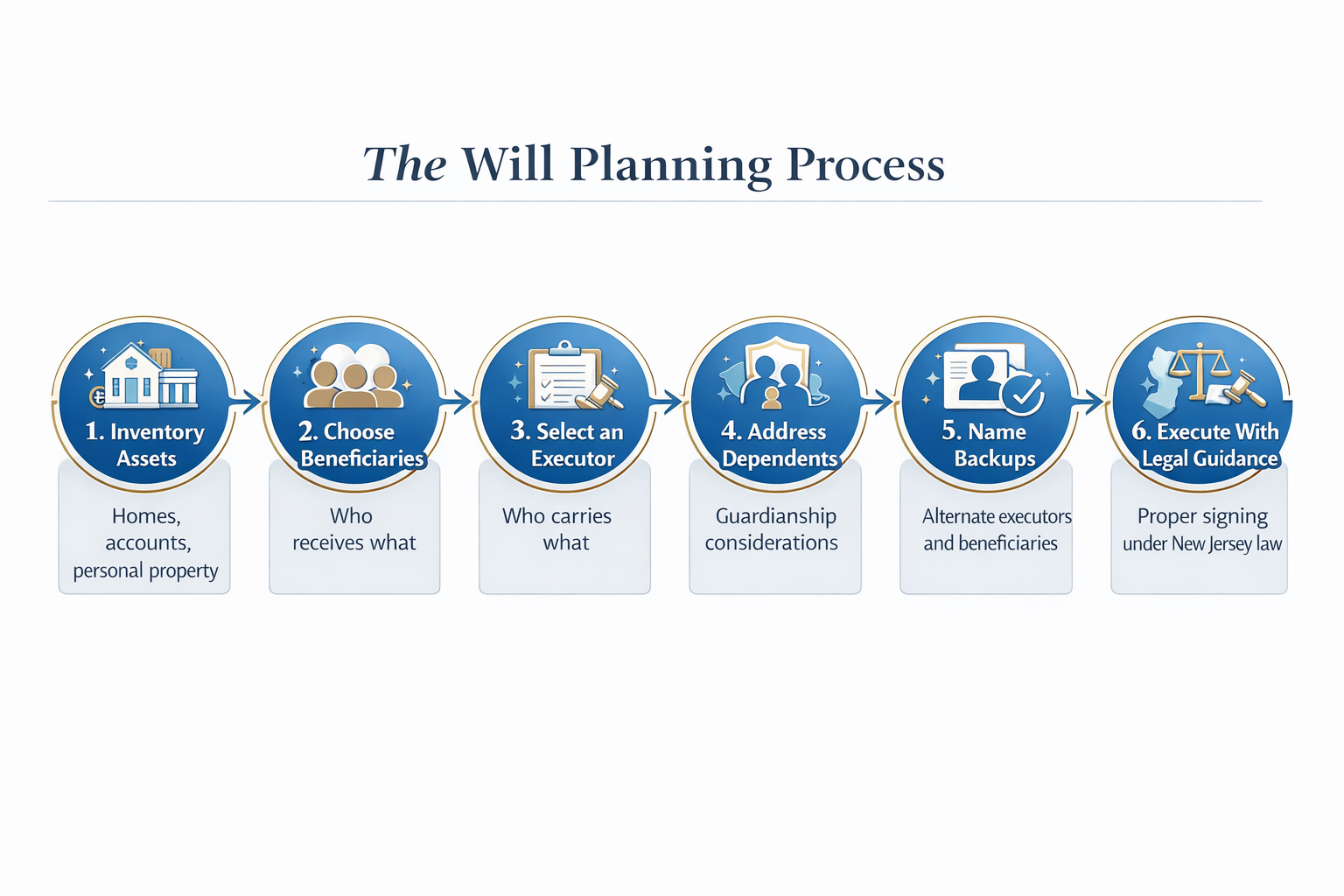
Top 10 Tips for Creating a Last Will in New Jersey

Creating a last will in New Jersey allows you to decide how your property will be handled and who will carry out your instructions after your death.

It gives structure to what might otherwise become an uncertain process and helps ensure that your personal choices guide the outcome.

When done thoughtfully, a will becomes a practical tool that brings clarity to an otherwise emotional time for your loved ones.

With this in mind, these 10 useful tips will give you some ideas to take into the plannin...

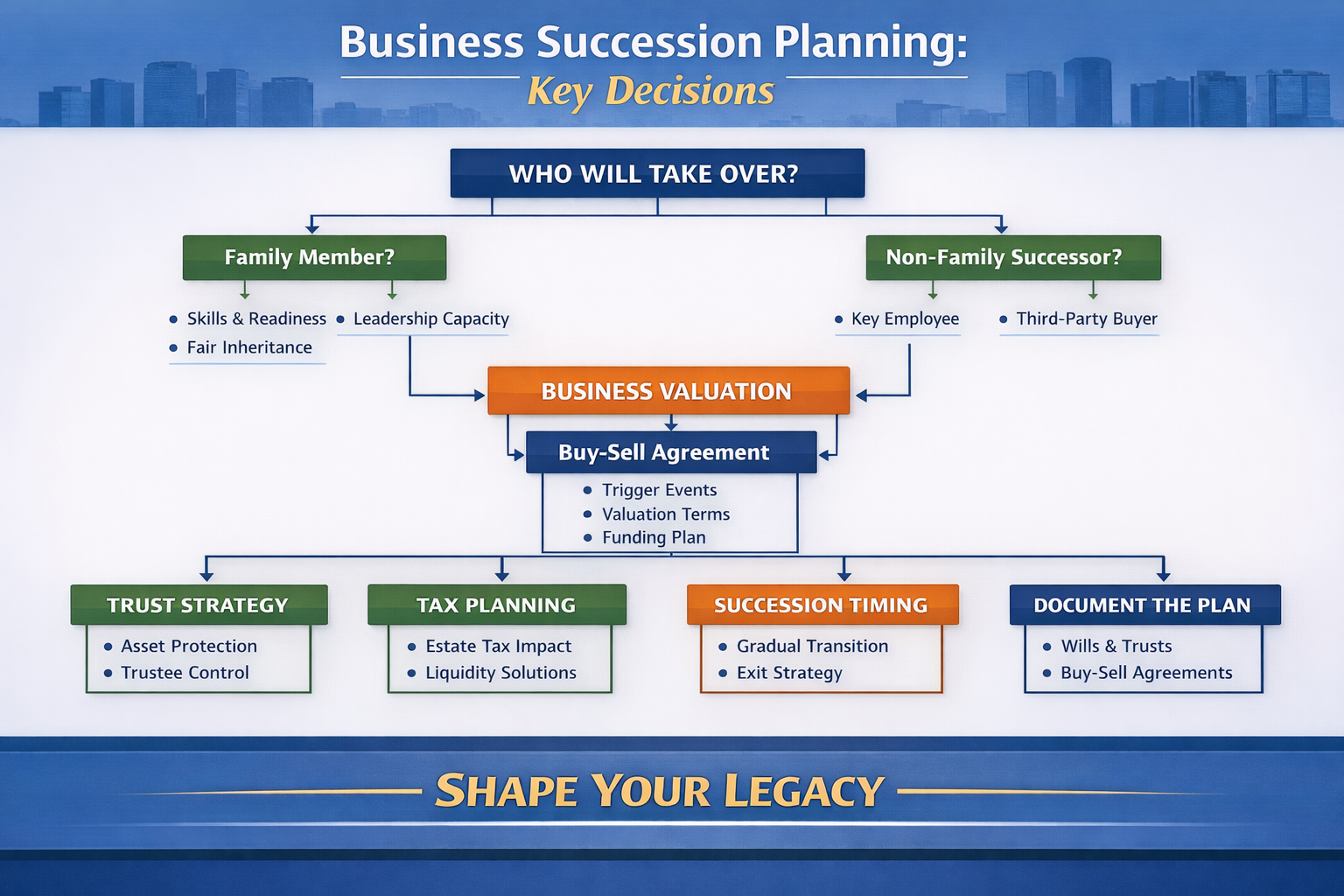
Small Business Succession Planning: Protect Your Legacy

Running a business in Manhattan demands your full attention.

It's easy to stay focused on clients, employees, and cash flow while quietly assuming you will “deal with succession someday.”

The problem is that life does not always wait for the right moment. Illness, disputes, or sudden opportunities can force change before you have a plan, and that can put everything you have built at risk.

Business succession planning is simply about deciding what happens to your business when you step back, whe...

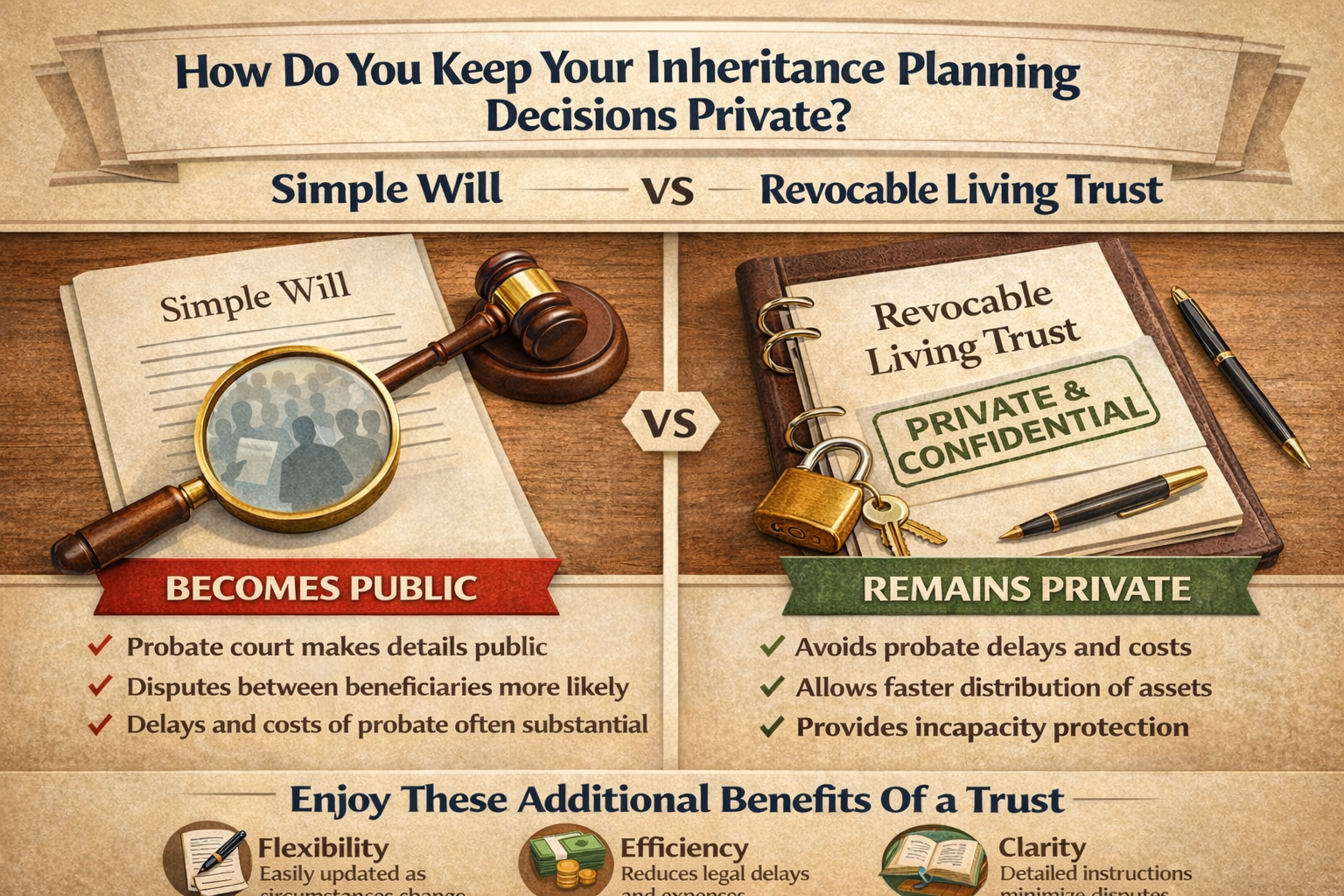
What Are the Benefits of a Living Trust Over a Simple Will?

When you start thinking about estate planning, a will often feels like the natural place to begin.

It is familiar, widely discussed, and often described as the basic document everyone needs.

For many people, that initial instinct makes sense. A will does play an important role in an estate plan.

At the same time, a simple will has limits. As your assets grow, your family situation becomes more complex, or your planning goals expand beyond the basics, those limits start to matter.

That is where a...

Do Online Wills Hold Up in Court?

You may be tempted by the convenience of drafting a will online. The process is quick, inexpensive, and promises peace of mind.

But when you ask whether an online will holds up in court in Connecticut, the answer is nuanced. Yes, it can, if it is executed properly.

At the same time, estate planning is more than producing a document. It’s about ensuring your wishes are honored, your family is protected, and your plan covers both death and incapacity.

Connecticut law requires that a will be:
If th...

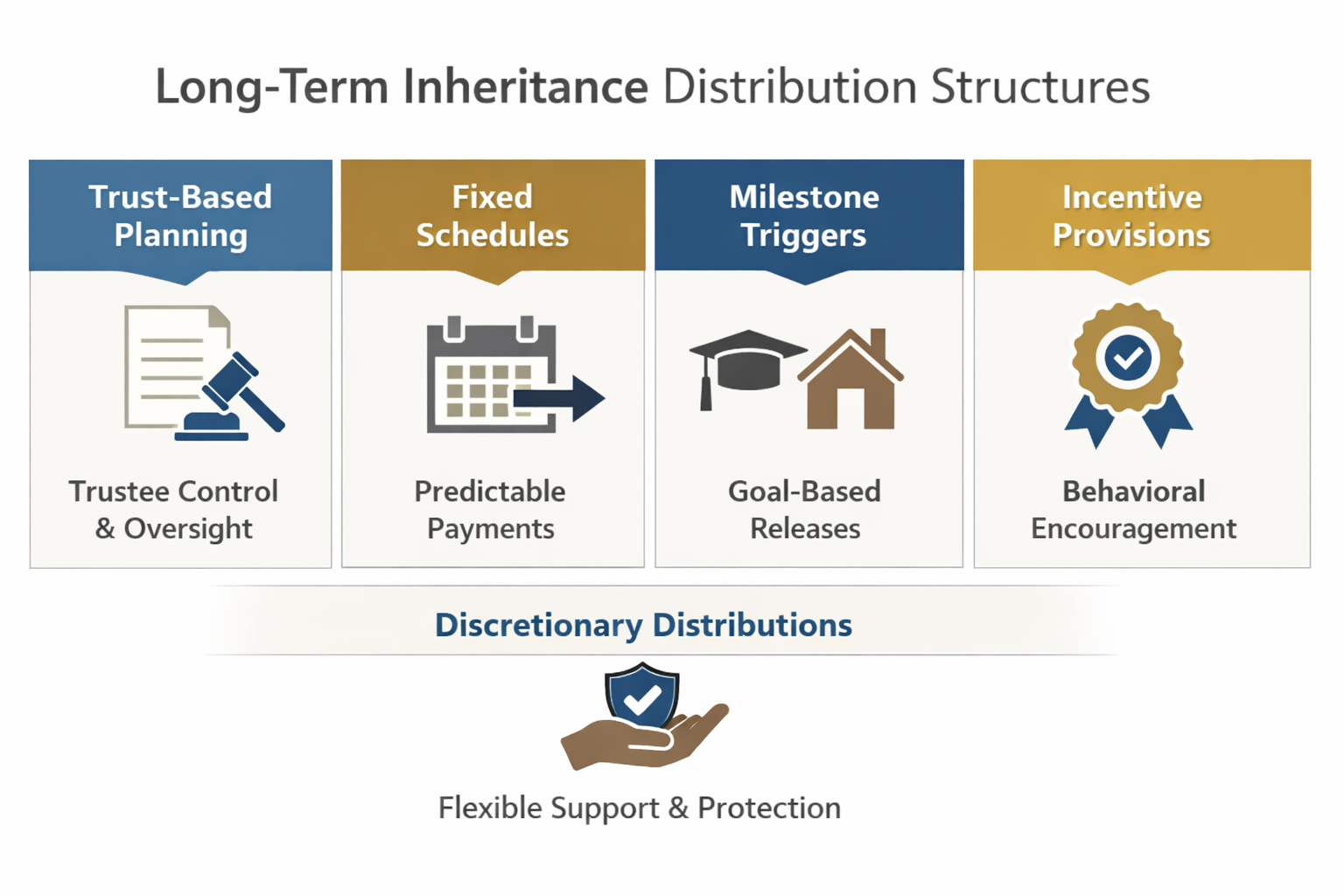
A Discretionary Trust Can Provide Peace of Mind

When you are planning your estate, you may have concerns about leaving large lump sums of money to the beneficiaries.

There are many possible reasons for the trepidation, including youth, inexperience, impetuousness, and spendthrift tendencies.

Fortunately, there are tools in the inheritance planning toolkit that can provide peace of mind, and one of them is the discretionary trust. To understand why this approach works, it helps to look at the details.


Instead of giving your benef...

What Happens If You Die Without a Will in Oklahoma?

If you die without a will in Oklahoma, your estate will be distributed according to state law rather than personal wishes.

This situation is known as dying “intestate,” and it can lead to outcomes that may surprise surviving family members.

Whether you live in Oklahoma City, Tulsa, or anywhere else in the state, understanding how intestate succession works is an important part of planning ahead.

Oklahoma has specific statutes that determine who inherits property when there is no valid will. Thes...

The Anatomy of a Living Trust: Key Roles Defined

A living trust serves as the operational blueprint for your estate plan. It turns your goals into detailed instructions and identifies the people responsible for carrying them out.

When you create the trust, you take on several roles at once. Initially, you are the grantor, the trustee, and the primary beneficiary.

You also name the individuals who will assume responsibility when you can no longer manage those duties yourself.

Understanding how each role functions helps you build a trust that pe...

The Psychology of Inheritance Planning: Fair Isn’t Always Equal

When you think about inheritance, you may picture an even split among your children. Equal shares sound simple and fair on the surface.

Yet in practice, inheritance rarely feels equal to everyone involved. The psychology of inheritance often shapes how your heirs react, and it shows why fairness does not always mean giving each person the same amount.

In Arizona, inheritance planning involves more than dividing property. It also requires understanding how family dynamics and perceptions influenc...

What’s the Difference Between a Will and a Trust?

When you begin estate planning in Louisiana, one of the first questions you face is this: what’s the difference between a will and a trust?

Each serves distinct purposes, and understanding the nuances will help you make informed decisions for your family.

In Metairie, the choice between a will and a trust is shaped in part by Louisiana’s unique civil law system, which differs from the common law used in most other states.

A will is a legal document that sets out how your property should be distr...

Infographics (Hover, scroll, and click to explore infographic portfolio)